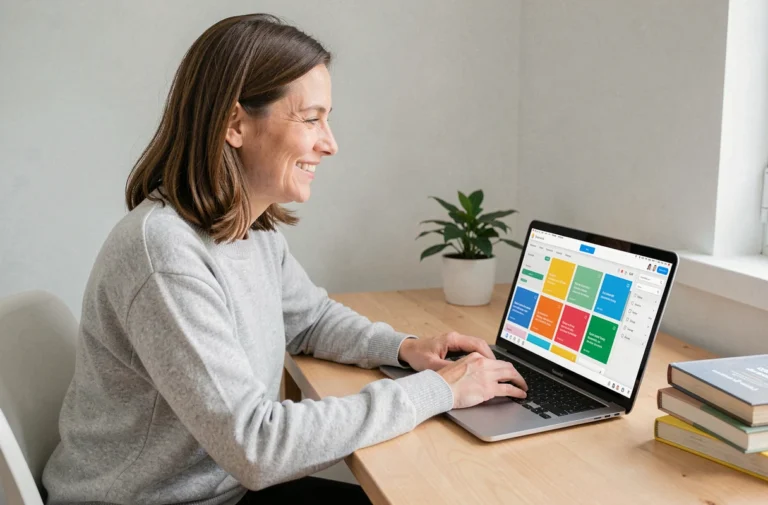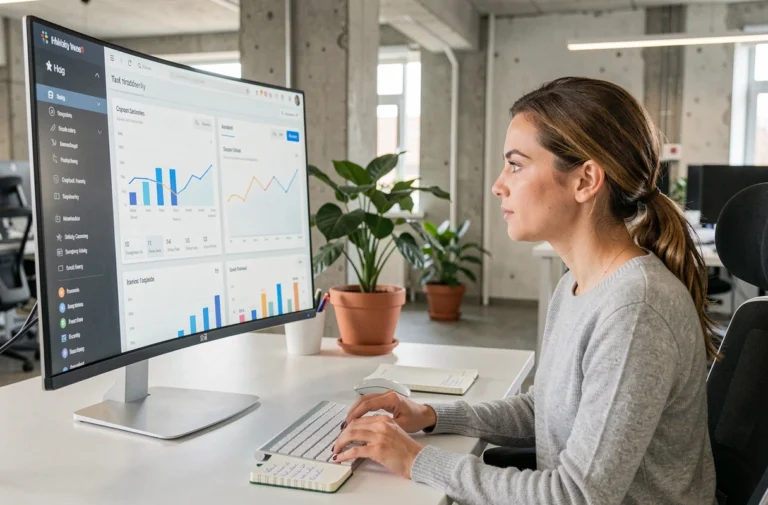
The share of French employees working remotely increased from about 9% in 2019 to 26% in 2023, according to available data. This massive shift has reshaped the landscape of daily health, well beyond just advice on diet or sleep. Traditional guides compile lists of good habits, but they often overlook recent determinants that impact the physical and mental health of millions of people.
Remote Work and Daily Health: A Fragile Balance to Document
The Dares Tracov 2 survey, conducted among nearly 25,000 employees at the end of 2023, provides enlightening data. Remote workers generally report a better state of physical and mental health than non-remote workers: fewer sleep disturbances, less frequent pain, and lower depressive risk. The reduction in commuting time and greater organizational autonomy partly explain these results.
The hybrid model, involving two days of remote work per week, seems to enhance the benefits. It preserves flexibility while limiting the risks of isolation and loss of social cohesion. However, feedback from the field diverges on this point for employees working fully remotely, where isolation can become a factor in deteriorating mental health.
One aspect rarely addressed in public resources concerns the setup of the home workspace. Nearly one in ten remote workers reports back pain related to unsuitable furniture. Ritualizing movement breaks, setting clear availability boundaries, and investing in an ergonomic chair are not just about comfort but about active prevention.
To delve deeper into these issues, the health page of mediccom.org gathers complementary resources covering several dimensions of daily health.

Mental Health and Work Stress: Signals Ignored by Guides
The advice “manage your stress” or “practice meditation” saturates search results. They miss a more precise observation: chronic work-related stress is the primary reported factor of anxiety among workers in France. Workload, lack of decision-making autonomy, and absence of recognition form a well-identified triptych in occupational health research.
Self-esteem acts as a filter between professional pressures and their effects on health. A person with weakened self-esteem absorbs more tension, sleeps worse, and more easily adopts unbalanced eating behaviors. This cascading mechanism is documented but not often highlighted in resources aimed at the general public.
Recognizing Early Warning Signals
Before burnout, several indicators deserve attention:
- A persistent fatigue that does not subside after a weekend of rest, accompanied by concentration difficulties at work.
- Changes in sleep (late falling asleep, repeated nighttime awakenings) lasting more than two weeks without an identifiable cause.
- A gradual social withdrawal, with a decrease in friendships and family ties, often trivialized as a simple need for calm.
- Recurring physical pains (headaches, neck tension) without an underlying diagnosed pathology.
These signals do not constitute a diagnosis, but they warrant a consultation with a doctor or pharmacist, who remains an underutilized local resource for such questions.
Daily Physical Activity: Moving Beyond the Performance Model
Most guides recommend 150 minutes of moderate activity per week, a benchmark derived from WHO recommendations. This figure is useful, but it masks a more nuanced reality: regularity matters more than intensity or duration.
Walking thirty minutes a day, breaking up sitting time with micro-active breaks (standing, stretching, climbing stairs) produces measurable effects on blood sugar, blood pressure, and sleep quality. The “all or nothing” model (running for an hour on Sunday and then remaining sedentary the rest of the week) is significantly less protective.

Moving While Working Remotely: A Specific Challenge
Remote workers lose the forced movements (commuting, subway stairs, walking to the cafeteria). This deficit of involuntary movement is not spontaneously compensated. A simple strategy is to associate each video conference meeting without screen sharing with a walk, phone in hand.
Physical activity also directly impacts mental health. Available data show a significant reduction in anxiety symptoms among those who engage in regular activity, even of light intensity. A daily walk is not naive advice; it is a public health intervention.
Diet and Sleep: Two Levers Whose Interactions Are Underestimated
A balanced diet and sufficient sleep appear on all health advice lists. However, their reciprocal interaction is rarely explained. A sleep deficit alters hunger hormones (increased ghrelin, decreased leptin), pushing towards sweeter and fattier foods the next day.
Conversely, a meal that is too rich or eaten too late disrupts falling asleep and the quality of deep sleep. This vicious circle sets in within a few days and is difficult to break without simultaneously addressing both fronts.
- Dine at least two hours before bedtime, favoring light meals based on vegetables and lean proteins.
- Maintain regular bedtime and wake-up times, including on weekends, to stabilize the circadian rhythm.
- Limit screen exposure one hour before sleep, as blue light delays melatonin secretion.
These adjustments do not require overhauling one’s daily life. They require consistency, which is precisely the most challenging factor to maintain over time.
Online resources on health are multiplying, but the quality of information varies significantly from one site to another. Checking the source, cross-referencing with health authority recommendations, and consulting a healthcare professional for any personal questions remain the three most protective reflexes.