The list price of a car represents only a fraction of what it actually costs. The total cost of ownership over three to five years (insurance, fuel, maintenance, depreciation, resale value) is the only reliable indicator for comparing two vehicles. We recommend doing this calculation even before looking at listings.
Hidden costs before purchase: what the displayed price doesn’t tell you
A vehicle advertised at an attractive price can turn out to be costly if certain aspects are overlooked. Depreciation, for starters: a model that loses value quickly costs more than a vehicle that retains its value better at resale, even if initially sold for a bit more.
Further reading : Discover the latest trends and practical tips for car enthusiasts
The reliability history is a filter that too many buyers skip. We observe that technical inspection data and manufacturer recall campaigns provide an accurate picture of recurring weaknesses in a model. A vehicle that accumulates recalls for the injection line or braking system signals future repair bills.
To refine your search and compare available offers, you can visit the AXX Auto website, which brings together a wide selection of vehicles with their detailed specifications.
You may also like : Easily Access Your Academic Webmail Dijon: Guide, Tips, and Solutions for Teachers
Before signing, demand the complete maintenance log and check the consistency between the displayed mileage and the stamps in the logbook. A suspicious discrepancy almost always indicates a larger problem.
- Check the dates and mileages of the last engine oil changes and timing belt replacements.
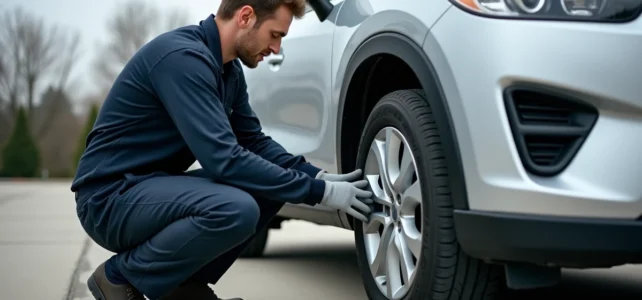
- Inspect the condition of the tires: asymmetric wear indicates a geometry or suspension defect, leading to repair costs.
- Examine the undercarriage and wheel arches for any signs of advanced corrosion.
- Test the electronic diagnostics via an OBD port: stored fault codes reveal anomalies that the seller hasn’t mentioned.
Structured test drive: going beyond a few minutes around the block
A five-minute test drive in an urban area is almost useless. The test drive should cover at least three types of roads: city, county road, and highway. Each environment puts different components to the test.
On the highway, focus on road noise, vibrations at the steering wheel, and straight-line stability. A shake above a certain speed points to a wheel imbalance or a worn driveshaft.
Points to validate while stationary
Before starting, adjust the seat and mirrors. A poorly positioned driver misses half the signals. Check visibility to the three-quarters rear, access to the trunk (opening, loading threshold, usable volume), and the comfort of the rear seats, especially if passengers use them regularly.
Test parking maneuvers: full steering in both directions, reversing with direct visibility. A turning radius that is too large complicates daily urban life.
Preventive maintenance of the engine and fluids: the intervals that matter
We recommend not relying solely on the manufacturer’s log for oil change intervals. Actual usage conditions (repeated short trips, traffic jams, hot climate) put more strain on the lubricant than standardized cycles account for.
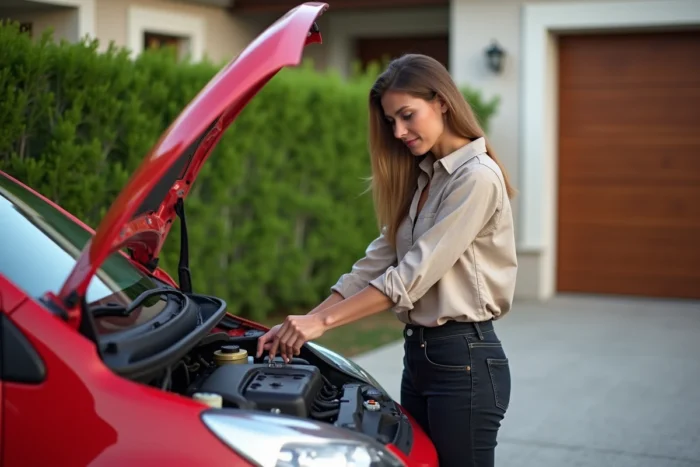
The level and condition of the coolant deserve a monthly visual check. A cloudy or discolored liquid indicates possible contamination, which can damage the cooling system and the head gasket.
Regular electronic diagnostics
Recent vehicles are equipped with sensors on almost all components. Periodic electronic diagnostics allow for the detection of deviations (lambda sensor, EGR valve, boost pressure sensor) before they lead to a major breakdown or excessive fuel consumption.
A minor untreated fault can lead to a cascade of costly failures. A faulty lambda sensor, for example, skews the air-fuel mixture, accelerates catalyst clogging, and increases consumption.

Corrosion protection: an underestimated maintenance lever
Corrosion remains the most silent factor of structural degradation. It progresses beneath the layers of paint and in hollow sections without visible signs until an advanced stage.
Regular washing of the undercarriage, especially after winter salting periods, significantly slows oxidation. The anti-corrosion treatment of hollow sections and undercarriages extends the lifespan of the structure by several years.
- Apply a wax-based anti-corrosion product in the frame rails, inner wheel arches, and bottom of the doors at least once a year.
- Inspect door and trunk seals: a cracked seal allows moisture in and initiates rust from the metal edges.
- Immediately treat any paint chip that exposes bare metal, even on a small surface.
Fuel consumption and tires: two areas to manage together
Tire pressure directly influences fuel consumption. Under-inflated tires increase rolling resistance and accelerate sidewall wear. We recommend checking the pressure every three to four weeks, when cold.
The choice of tire itself impacts the overall budget. A low rolling resistance tire reduces consumption over time, but its purchase price is higher. The calculation is made over the lifespan of the set, not on the unit price.
Adapting your driving remains the most effective lever on consumption. Anticipating braking, using engine braking downhill, moderate acceleration: these habits have a measurable effect without any investment.
The choice of a car and its maintenance relies on concrete checks, not on impressions. A purchase prepared with an analysis of the total cost of ownership, a methodical test drive, and rigorous corrosion inspection avoids most unpleasant surprises. The rest comes down to regularity: level checks, electronic diagnostics, tire pressure. These are simple actions, but their absence always ends up being costly.