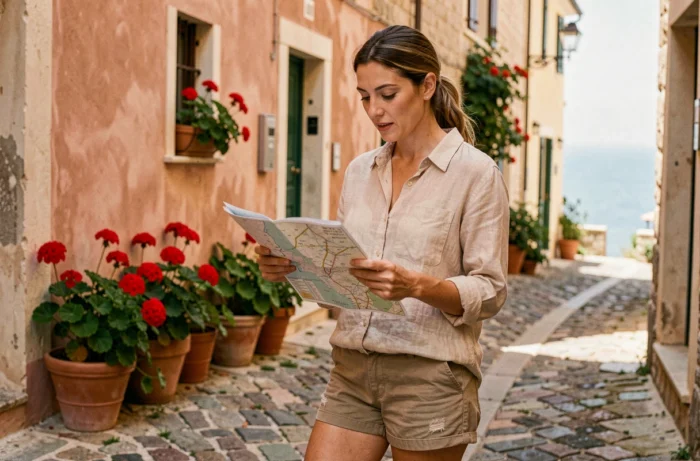
Comparing travel activities often comes down to opposing two logics: accumulating visits or slowing down to delve deeper into a destination. Recent data from the European tourism sector allows us to measure the gap between these two approaches and understand why some activities generate lasting satisfaction while others are forgotten as soon as one returns. This is what this article aims to examine, relying on documented trends for the best activities to do while traveling.
Slow travel vs. classic tourism: what the data shows
The Travel Trend Report 2026 from the Dertour group reveals a clear shift in travel practices in Europe. More than half of Europeans now prefer slow stays, focused on in-depth discovery of a single destination rather than hopping from one tourist site to another.
At the same time, 32.2% of French people are considering a solo trip in the next 12 months. This figure reflects a structural change: traveling alone naturally leads to immersive activities (workshops, hikes, local encounters) rather than standardized tours.
| Criteria | Classic tourism (multi-site) | Slow travel (single-destination) |
|---|---|---|
| Average number of cities visited | 3 to 5 per stay | 1 to 2 per stay |
| Dominant type of activities | Guided tours, monuments, photos | Workshops, hiking, local gastronomy |
| Traveler profile on the rise | Families, organized groups | Solo, couples, slow travelers |
| Trend 2024-2026 (Europe) | Stable | Strong increase |
This table summarizes a widening gap. Travelers who choose slow travel spend more time on each activity, radically changing the nature of their adventures.
To prepare for a discovery-oriented stay, it can be helpful to browse the activities to discover on 1, 2, 3 … travel! before finalizing an itinerary.
Accommodations with experience programs: a selection criterion for travel activities
The choice of accommodation directly influences the quality of activities undertaken. According to the Hilton 2025 Trends Report, 76% of travelers seek accommodations that offer multiple experiences on-site, not just a room. This means that the hotel or guesthouse becomes the starting point for creative workshops, guided nature outings, or heritage trails.
This trend reshuffles the cards for travelers preparing their adventures. An accommodation that includes an experience program reduces the time spent searching for activities on-site and ensures consistency with the destination.
What integrated programs offer
- Workshops related to local heritage: regional cuisine, crafts, introduction to traditional skills. These formats typically last half a day and allow for an immersion that simple visits do not provide.
- Guided nature activities: themed hikes, wildlife observation, kayaking or biking on routes selected by the host based on the season.
- Gastronomic discovery tours: tastings, visits to producers, meals with locals. The link between accommodation and the local network of producers changes the quality of the experience.
In contrast to the classic model where the traveler compiles online reviews to find an activity, this format offers a pre-selected choice. The difference is particularly noticeable for family stays, where logistics weigh heavily in the choice of activities.
Mountain regulations in France: a concrete parameter for nature adventures
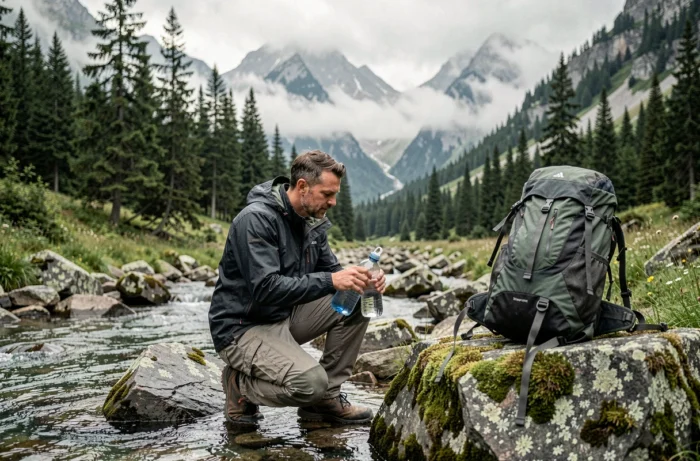
Travelers who direct their adventures towards hiking, camping, or van life in the mountains must integrate a recent parameter. Since the summer of 2026, the French Alps and several national parks have implemented stricter restrictions on camping, wild swimming, and overnight parking of vans.
The measures are precise: camping is prohibited below certain altitudes, there is an obligation to stay more than 500 meters from certain lakes, and reservation is mandatory in designated areas. Park directors can now impose tent quotas. The regulated periods have been extended compared to previous years.
What this changes for planning outdoor activities
A mountain stay in France now requires planning several weeks in advance, checking local regulations and reserving authorized spots. Leaving with a van without consulting the regulations exposes one to fines and the obligation to leave the area.
For hikers, the direct consequence affects multi-day routes: some paths that included free camping are no longer accessible without a reservation. This does not reduce the quality of the adventure but changes the logistics beforehand.
Solo travel and immersive activities: the profile that redefines adventure
The rise of solo travel, documented by the Dertour report with more than 30% of respondents in Europe considering a solo departure, is not limited to a demographic question. It transforms the type of activities undertaken.
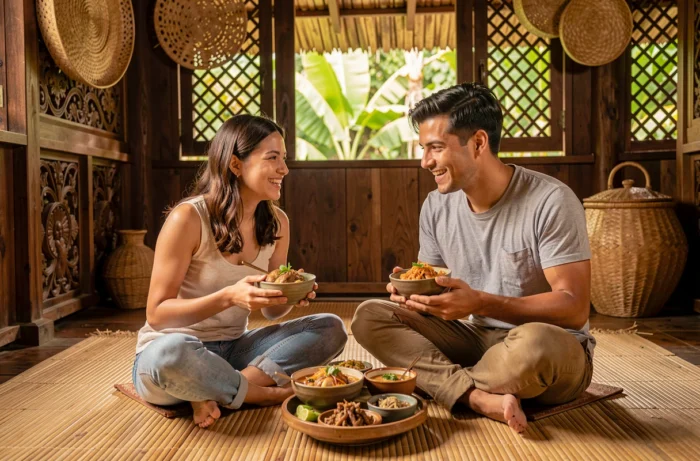
A solo traveler more often chooses activities on a human scale: a pottery workshop in a village in Vietnam, a day of walking exploration in a European capital, a market visit followed by a cooking class. Solo travel favors activities where one participates rather than those where one observes.
This logic aligns with that of slow travel: fewer movements between cities, more time per activity, a higher level of personal involvement. Ticket and experience booking platforms are also adapting to this profile, with formats designed for one person (flexible departure, small groups).
The intersection of solo travel, slow travel, and accommodations with integrated programs outlines a model of adventure where the quality of each activity takes precedence over their quantity. Sector data from 2024 to 2026 converge on this observation: travelers who dedicate an entire day to a single immersive activity gain more than those who rush through three in the same time.