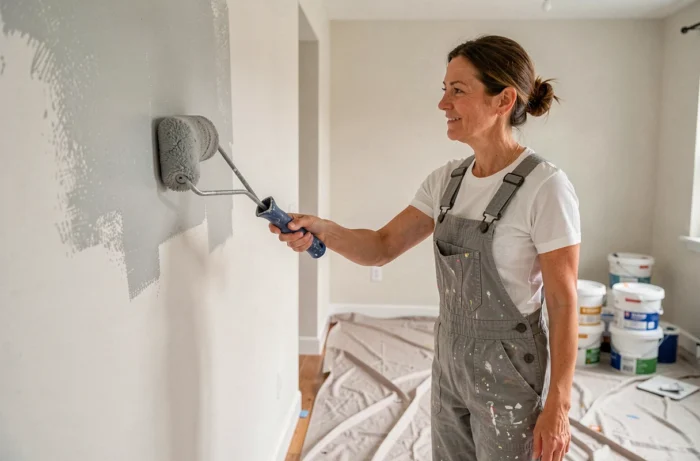
The valuation of a property depends on the choice of renovation work undertaken and its coherence with the local market. Since September 2026, the rules for financing energy renovations have changed significantly, altering the profitability calculations for many projects. Before launching a project, it is essential to distinguish between interventions that genuinely increase the value perceived by a buyer and those that improve comfort without measurable returns upon resale.
Energy renovation: the end of isolated actions changes the game
Until recently, replacing a window or installing a wood stove was enough to obtain assistance through MaPrimeRénov’. This is no longer the case. Wall insulation, attic insulation, window replacement, double-flow ventilation systems, wood or pellet stoves, and thermodynamic water heaters are no longer funded as isolated actions by MaPrimeRénov’.
These works remain eligible only as part of a major renovation, with a gain of at least two energy classes on the energy performance certificate (DPE). The ceilings for eligible expenses are set at 30,000 euros excluding tax for a gain of two classes and 40,000 euros excluding tax for three classes or more.
This change has a direct consequence on the valuation strategy: a property owner considering several projects to discover on Conseil Habitat should group them into a comprehensive project rather than spreading them over several years. A jump of two classes on the DPE translates into better attractiveness of the property, whereas an isolated action (even if costly) will not necessarily change the letter displayed in the listing.
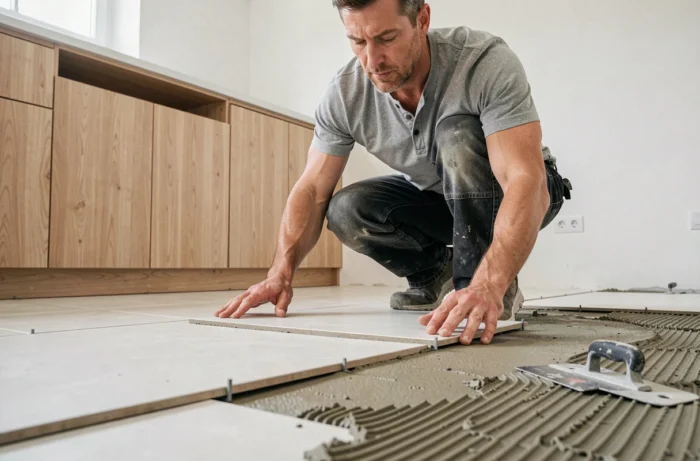
Kitchen and bathroom: where to stop to increase added value
Water rooms and the kitchen attract buyers’ attention because they represent the most significant renovation items to address after a purchase. A buyer visiting a property with an outdated kitchen anticipates a replacement budget and negotiates the price accordingly.
The question is not whether to renovate these rooms, but how far to go. A kitchen renovation that only involves replacing the facades, countertop, and faucets creates a visual effect comparable to a new kitchen for a fraction of the cost. Replacing the entire layout, including high-end appliances, only partially impacts the sale price.
Three concrete decisions for the kitchen
- Prioritize under-cabinet lighting and a countertop made from a durable material (thick laminate, quartz): these two elements change the perception of quality without blowing the budget.
- Keep the existing layout if the plumbing and electricity are up to code, as moving a sink or gas line represents a disproportionate additional cost compared to the perceived gain.
- Opt for neutral colors on the facades: a buyer can more easily envision themselves in a white or light gray kitchen than in a strongly colored one.
In the bathroom, replacing a bathtub with a walk-in shower remains the most profitable action. It frees up floor space, modernizes the room, and meets a growing demand related to daily comfort.
Increase in living space: attics and glass extensions
Creating additional space is the most direct valuation lever since the price of a property is largely calculated per square meter. Converting attics, when the height allows, transforms a lost volume into a declared living space.
An converted attic must meet a minimum height of 1.80 m in the main area to be counted as living space according to the Carrez law. Below this height, the gain does not appear on the sale documents, and the investment loses much of its leverage effect.
The glass extension (habitable veranda) offers an alternative when attics are inaccessible or too low. Provided it is properly insulated for year-round use, it adds a bright space that serves as a living room, office, or winter garden. An uninsulated veranda, usable only in good weather, does not count towards the living space and only provides a limited enhancement effect.
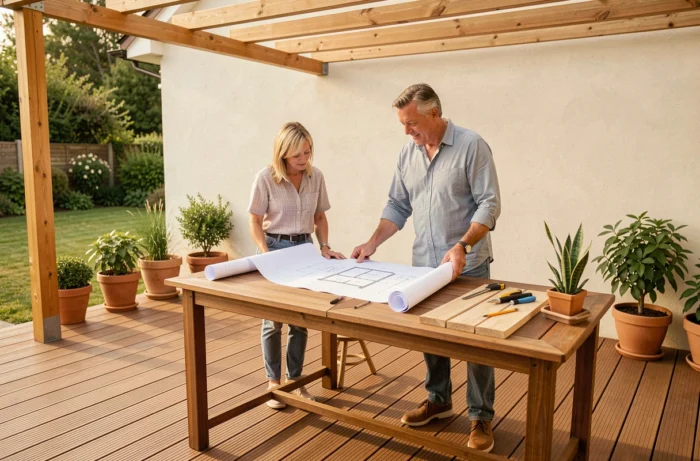
Outdoor layout and first impression: an underestimated lever
The buyer forms an opinion in the first seconds of the visit. The facade, access path, and entrance condition the overall perception of the property even before the front door opens.
A facade renovation or a simple high-pressure cleaning of the walls and terrace produces a disproportionate effect compared to the cost incurred. Well-positioned outdoor lighting enhances the feeling of safety and care, two criteria that buyers rarely verbalize but which weigh in their decision.
Terrace and green spaces: the right investment
A wooden or composite slab terrace, properly drained and large enough to accommodate a table, extends the living space outdoors. Buyers are looking for usable space, not a complex ornamental garden to maintain.
Plantings should remain simple and structured: trimmed hedges, low flower beds, clean lawn. A sophisticated landscaped garden appeals to the current owner but may scare off a buyer who anticipates maintenance. A clean and easy-to-maintain exterior adds more value than an expensive layout.
The choice of transformation works always depends on the relationship between the cost incurred and the recoverable value upon resale. The regulatory changes regarding MaPrimeRénov’ make comprehensive planning more profitable than isolated interventions. Concentrating the budget on strategic rooms, surface gain, and the first outdoor impression remains, in most configurations, the most effective combination for an owner looking to enhance their property.