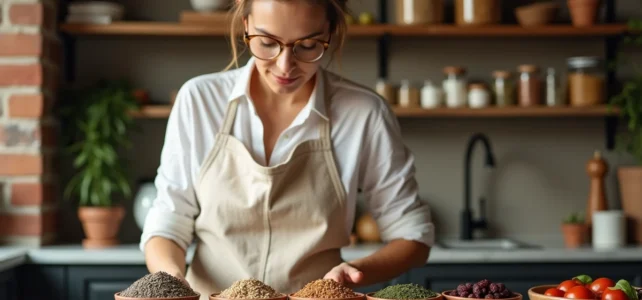
Seeds and superfoods do not pose a problem of taste, but rather of dosage, nutritional synergy, and preservation. We regularly observe formulation errors in bowls, smoothies, and toppings that neutralize some of the expected micronutrients. Adopting a healthy and delicious diet with seeds and superfoods requires mastering a few mechanisms often overlooked by mainstream articles.
Bioavailability of seeds: the factor that most recipes forget
Adding whole flax seeds to yogurt releases almost no omega-3. The woody shell of these seeds resists human digestion. Flax seeds must be ground just before consumption for the body to access the fatty acids and lignans they contain.
Recommended read : How to Use a Website to Find an Internship Easily and Quickly
The same reasoning applies to hulled hemp seeds, whose amino acid profile degrades quickly when exposed to air. We recommend storing them in the refrigerator, in an opaque container, and consuming them within weeks of opening.
Chia seeds work differently. Their mucilage forms upon contact with a liquid, which facilitates the absorption of soluble fibers and minerals. Soaking them for fifteen minutes in a plant-based drink is enough to trigger this gelation. This detail changes the texture of a pudding as much as its nutritional value. A rigorous selection of seeds and superfoods, like that offered on laptitegraine.fr, allows for working with raw materials whose freshness directly affects bioavailability.
You may also like : How to Optimize Your Professional Quotes with a Free and Compliant Template
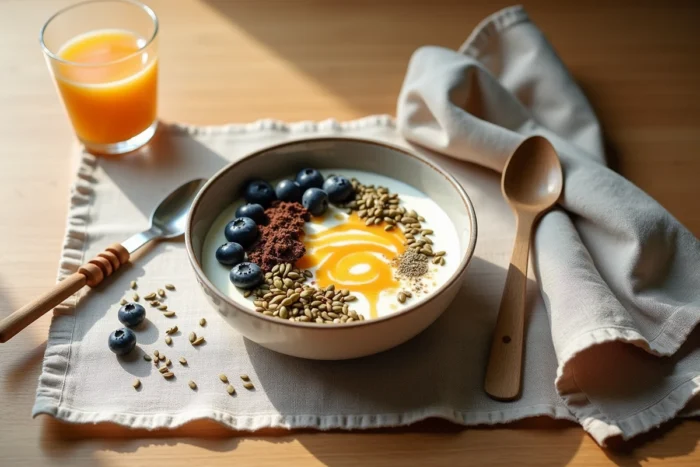
Seed and superfood combinations: synergies and common mistakes
Some combinations of nutrients multiply absorption, while others block it. This is a technical point that recipe lists almost never address.
Synergies to exploit
- Vitamin C and non-heme iron: pairing antioxidant-rich berries (blueberries, raspberries) with pumpkin seeds or spinach significantly improves the absorption of plant-based iron.
- Fats and fat-soluble vitamins: nuts, sunflower seeds, or a drizzle of hemp oil help absorb vitamins A, D, E, and K found in leafy green vegetables like kale or lamb’s lettuce.
- Complementary proteins: quinoa and hemp seeds together cover all amino acids, making them a complete plant-based protein source.
Traps to avoid
The tannins in green tea or raw cocoa reduce the absorption of iron and zinc. Consuming a bowl of cocoa granola with pumpkin seeds in hopes of addressing an iron deficiency is counterproductive if both are ingested simultaneously. We recommend spacing out the intake of cocoa by at least one hour.
Phytic acid, found in unsoaked seeds and certain nuts, chelates calcium and magnesium. Soaking or sprouting significantly reduces phytic acid content and releases more absorbable minerals.
Local seeds and superfoods: alternatives to exotic products
The current trend is leaning towards local alternatives to imported superfoods. Goji berries, açaí, or imported spirulina raise questions about traceability and freshness. However, nutritional equivalents exist within European supply chains.
- Blackcurrants and wild blueberries compete in antioxidants with açaí, at a much lower logistical and environmental cost.
- Camelina seeds, grown in France, offer an omega-3/omega-6 ratio comparable to that of chia seeds, with a more herbaceous flavor that works well in dressings and salad toppings.
- Sprouted buckwheat is a great substitute for imported quinoa from South America in terms of protein and fiber, while also providing rutin, a flavonoid that protects blood vessels.
Choosing local superfoods does not mean sacrificing nutritional density. It simply requires knowing the equivalents and varying sources according to the seasons.

Storage and daily dosage of seeds in a delicious diet
Oxidative rancidity is the main enemy of seeds rich in polyunsaturated fatty acids. Ground flax seeds, walnut halves, and hulled hemp seeds lose some of their omega-3 within days at room temperature.
Storing seeds in the refrigerator in airtight, opaque containers extends their nutritional shelf life by several weeks. Whole seeds (chia, sesame, sunflower) tolerate room temperature storage better due to their protective shell.
In terms of dosage, two to three tablespoons of seeds per day cover the needs for complementary fibers and plant-based omega-3 without disrupting caloric intake. Beyond that, excess fiber can cause digestive discomfort, especially for those who are just starting.
Incorporating seeds into delicious preparations (homemade granola, pumpkin seed pesto, flax and sesame crackers) makes them easier to consume regularly. Consistency matters more than occasional quantity to gain real benefits from superfoods on a daily basis.
The superfood market is experiencing sustained growth, particularly driven by seeds and superfruits. North America accounts for over 43% of the global market share, reflecting a sustainable shift towards a nutrient-rich diet.
This dynamic is also reflected in our daily plates, from morning granola to evening salad toppings. The key remains to choose fresh seeds, well-preserved, and to combine them methodically so that the pleasure in taste is accompanied by real nutritional benefits.